Insights
Naval yards: equipped for efficiency
The market for military shipbuilding is undergoing deep change. Theo Herzog, Managing Director of Lean Maritime GmbH, sets out new paths for the specialised yards. LMCP asked him about it.
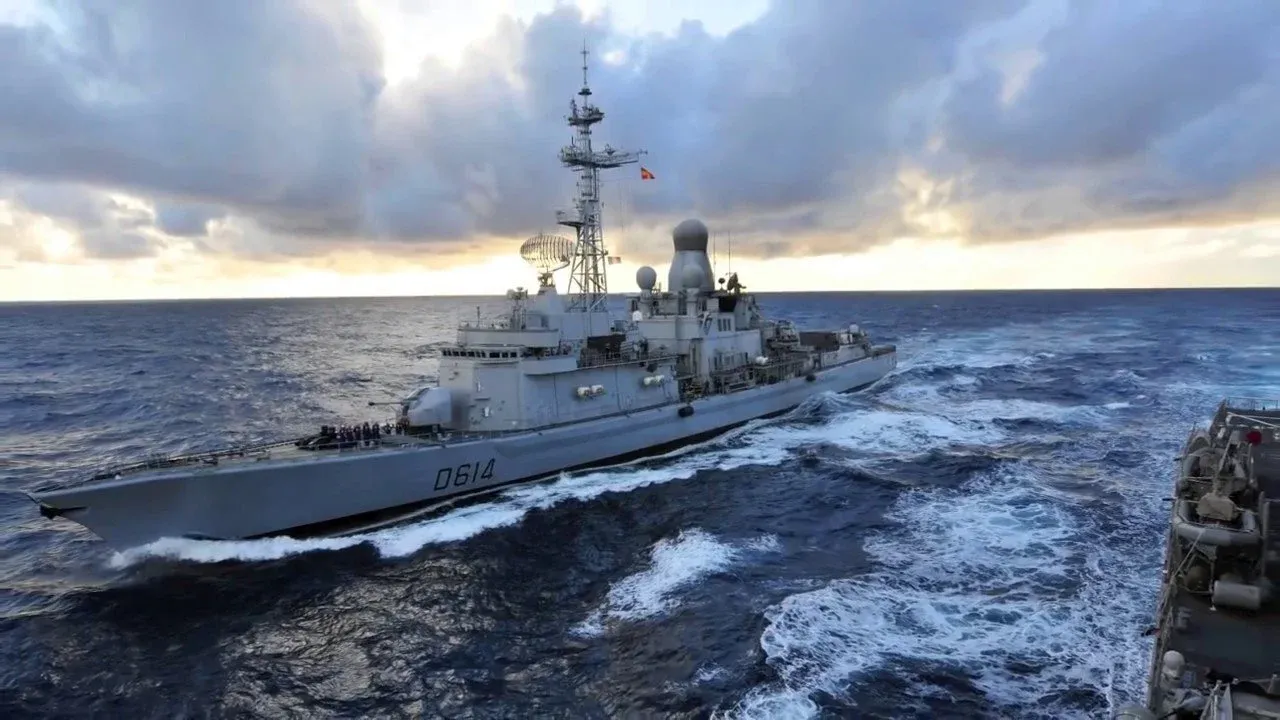
The market for military shipbuilding is undergoing deep change. Theo Herzog, Managing Director of Lean Maritime GmbH, sets out new paths for the specialised yards. LMCP asked him about it.
Mr Herzog, what challenges does European military shipbuilding face at the moment?
"The conditions in the naval defence industry have changed from the ground up over the last ten years. Governments provide comparatively small budgets for building naval vessels. At the same time they expect considerably shorter delivery times, in some cases up to fifty percent shorter. Where countries once took it for granted that their own yards would be preferred, large contracts are now tendered across Europe or even internationally. That has already reshaped the European naval shipbuilding landscape, and with it the competitive position of smaller independent yards. A current example is the thirty billion euro budget Australia awarded to a yard in France for submarine construction."
What can naval yards do to stay competitive internationally?
"Thinking in networks has to replace nationally oriented structures, in day-to-day operations too. Two large yards in France and Italy have shown the way by joining forces across borders. The German naval shipbuilding sector in particular looks fragmented. Through cooperation, at national or European level, traditional yards can catch up and operate internationally. Although joining forces alone is not enough. Every company involved in military shipbuilding has to produce significantly faster and at lower cost than before. At unchanged quality, of course. Efficiency is what is called for now."
You have brought about exactly that kind of efficiency gain in military shipbuilding. How does it work?
"For more than three years Lean Maritime has been supporting a large naval yard in France, with the aim of significantly reducing lead times for frigate construction while raising the productivity of the work processes. To do that we established a way of thinking in the company based on lean principles, adapted to the demands of a complex large-scale build. We began by analysing the entire production process, from the first steel cut to the outfitting on board. On that basis we optimised processes, reduced waste and identified solutions for specific company problems. In parallel we introduced completely new processes and stabilised them. Through staff training and more specialised team sessions we were able to embed the new thinking and approach lastingly in the company culture. This reduced delivery times and production costs, each by a double-digit percentage."
Which of your core capabilities were needed to make this naval producer fit for the future?
"Reorganisation, project and process management, change management, planning strategy, subcontractor steering and the digitalisation of work processes. With those capabilities we were able to stabilise the company and position it competitively, not least because the clients' trust in this yard has grown durably."