Insights
Why Lean is the Operating System for Cruise Operations
A cruise ship produces 15,000 meals a day, turns over 2,500 cabins weekly, and manages thousands of technical assets at sea. Lean methods bring flow, standardisation and continuous improvement to every department, from the galley to the boardroom.
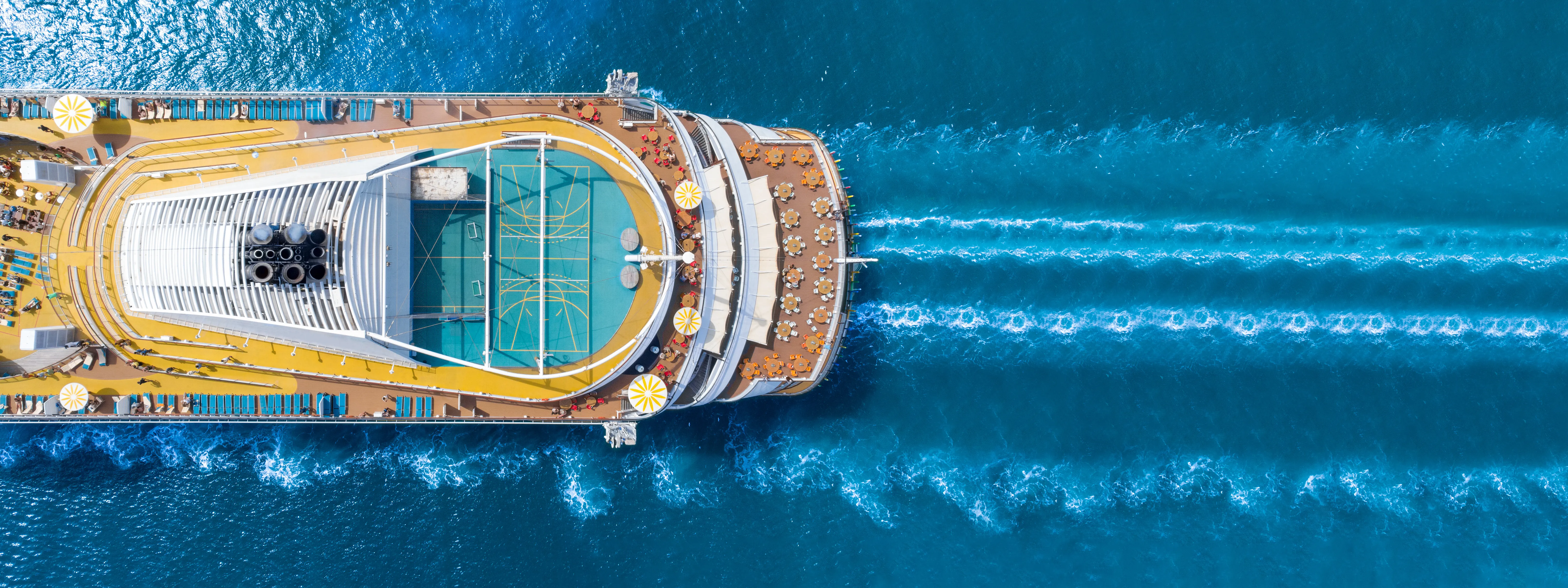
A cruise ship is a floating city. It runs 24 hours a day, 7 days a week, with no option to pause. The galley produces 15,000 meals a day. Housekeeping turns over 2,500 cabins every week. Maintenance teams manage thousands of technical assets while the ship is at sea. Entertainment, spa, retail, shore excursions, guest services, and safety operations all run simultaneously, all serving the same goal: an exceptional guest experience.
And all of this is managed by a multicultural crew of 1,500 to 2,500 people who rotate every few months.
If any industry was designed for lean thinking, it is this one.
A system under constant pressure
Cruise operations face a unique combination of constraints that most land-based businesses never encounter.
Space is fixed. You cannot add a second kitchen or a larger warehouse. Every square metre must work harder. Time is compressed. Turnaround day leaves no room for delay. A late cabin release ripples through the entire guest experience. Demand is variable but predictable. The number of guests is known, but their behaviour is not. How many will eat in the buffet versus the specialty restaurant on a given night? How many towels will be used at the pool? How much food should be prepped for sea days versus port days?
Resources are finite and resupply is limited to port calls. Running out of a key ingredient mid-cruise is not an inconvenience. It is a service failure visible to thousands of guests. And the workforce, while highly motivated, operates under intense schedules with limited rest periods. Efficiency is not a management preference. It is a necessity for crew wellbeing.
These constraints make cruise operations a natural fit for lean methods. Not because lean is fashionable, but because the core principles directly address the core challenges.
Where lean applies onboard
The beauty of lean in cruise operations is that it works across every department. Not as a one-size-fits-all template, but as a thinking system that adapts to each operational context.
Food and Beverage. The galley is the engine room of guest satisfaction. Producing thousands of meals per day across multiple restaurants, buffets, room service, and crew mess requires precise coordination of prep schedules, cooking sequences, plating, and service timing. Lean methods bring flow to this process. Takt-based meal preparation ensures that each station produces at the right pace to match service windows. Standardised recipes and portioning reduce waste and ensure consistency. Visual management boards in the galley show real-time status of prep progress, allowing chefs to adjust before problems hit the guest.
Menu forecasting is a particularly powerful application. By analysing historical consumption patterns, cruise itinerary, guest demographics, sea days versus port days, and even weather, it is possible to predict demand with high accuracy. The result: less food waste, fewer stockouts, and better cost control without compromising variety or quality.
Housekeeping. Cabin turnovers and daily service follow repetitive patterns that benefit enormously from standardised work sequences. When every cabin steward follows the same cleaning sequence, inspection quality becomes consistent and predictable. Takt-based scheduling ensures cabins are ready when guests need them, not when the team happens to finish. And a simple visual system showing cabin status across decks gives supervisors instant transparency without micromanagement.
Maintenance and Technical. A cruise ship has thousands of technical assets that require preventive and corrective maintenance while at sea. Lean maintenance planning prioritises interventions based on criticality and schedule impact. Standardised maintenance procedures reduce variability in execution quality. And structured problem-solving helps engineering teams get to root causes faster when equipment fails unexpectedly.
Guest Services and Shore Excursions. Every touchpoint between crew and guest is an opportunity to create value or destroy it. Lean helps by reducing the administrative burden on front-line staff. When check-in processes are streamlined, complaint handling is standardised, and excursion logistics are well-coordinated, the crew spends less time on paperwork and more time with guests.
Entertainment and Retail. Even creative departments benefit from operational discipline. Show schedules, rehearsal planning, stage changeovers, and retail inventory management all involve repetitive processes that can be optimised without killing creativity.
Where lean applies landside
The ship does not operate in isolation. Behind every cruise is a landside organisation that manages itinerary planning, procurement, crew scheduling, marketing, revenue management, and fleet maintenance planning. These office functions are often where the biggest hidden inefficiencies sit.
Procurement and Supply Chain. Provisioning a fleet of ships across multiple homeports and itineraries is a massive coordination task. Lean supply chain principles help reduce inventory buffers without increasing the risk of stockouts. Supplier integration, standardised ordering processes, and demand-driven replenishment replace the traditional approach of ordering "enough plus a safety margin."
Crew Planning and HR. Crew rotations, visa management, training schedules, and travel logistics involve hundreds of moving parts. Process mapping reveals where handoffs between departments create delays or errors. Standardised workflows reduce the administrative effort per crew change.
Revenue Management and Commercial. Pricing, promotions, and onboard revenue optimisation all depend on clean data and fast decision cycles. Lean thinking applied to commercial processes means shorter planning cycles, clearer decision criteria, and faster execution.
Fleet Maintenance Planning. Dry dock schedules, refit projects, and technical upgrades require coordination between the ship, the yard, procurement, and engineering. Lean project management methods, including visual planning and takt-based scheduling, reduce the chaos that typically accompanies these high-stakes, time-critical projects.
Why lean works better here than anywhere else
There are industries where lean is useful but optional. Cruise operations is not one of them.
The combination of fixed capacity, high volume, service intensity, compressed timelines, and multicultural teams creates an environment where even small inefficiencies multiply fast. A 5-minute delay in one process can cascade across departments within the hour. A poorly standardised procedure executed by 50 different people in 50 different ways creates unpredictable quality that no amount of supervision can fix.
Lean does not add complexity. It removes it. It gives every team member clarity on what to do, when to do it, and how to know if they are on track. It connects departments that traditionally operate in silos. And it creates a culture where problems are surfaced early and solved quickly, rather than hidden until they become guest-visible failures.
The cruise lines that embrace this thinking do not just run smoother operations. They deliver better guest experiences, achieve higher crew satisfaction, and generate stronger financial results. Not because they work harder. Because they work smarter, together, every single day.